

Scalp Micropigmentation with a Hair Transplant: Density Tips
Pairing scalp micropigmentation with a hair transplant isn't just a treatment; it's a complete strategy for creating the most convincing illusion of hair density you can get. While a transplant brings back real, textured hair, SMP is the secret weapon that fills in the gaps, masks the contrast of your scalp showing through, and ultimately makes the final result look worlds fuller than surgery ever could on its own. It’s about tackling hair loss from every angle.
The Ultimate Combination for Hair Density
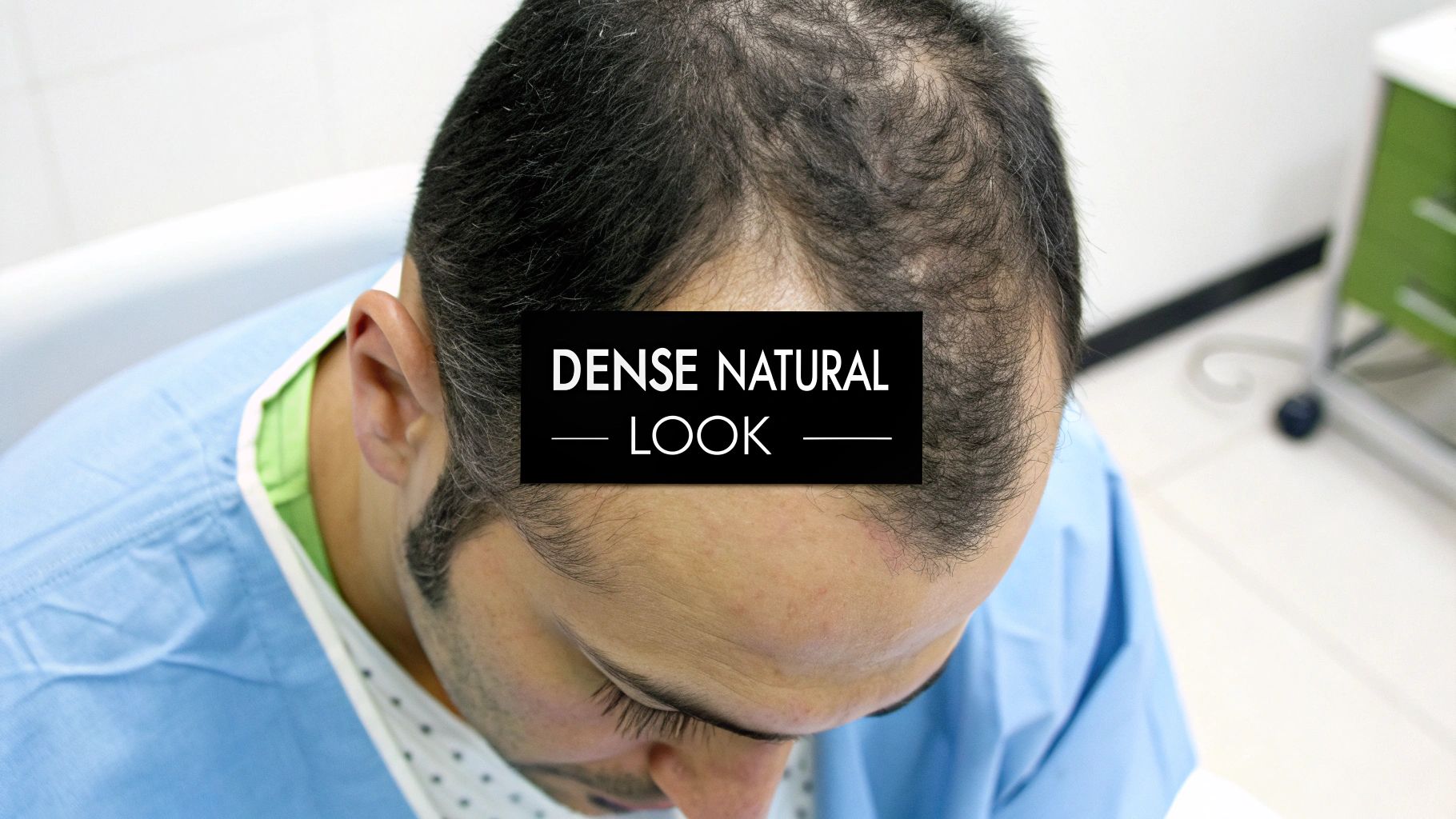
When you're looking at solutions for hair loss, both hair transplants and scalp micropigmentation are fantastic in their own right. But honestly, their true power is unleashed when you bring them together. This partnership creates something that’s so much more than the sum of its parts, addressing not just the missing hair, but the whole visual problem of thinning.
Here’s a simple way to think about it. A hair transplant is like planting new trees in a sparse forest. It adds genuine, three-dimensional texture and gives you real hair where there was none. That’s the structural foundation of your new look.
But even with a successful transplant, you can often still see the bright scalp between the hairs, especially under strong lighting or when your hair is wet. This is where SMP steps in.
Scalp micropigmentation acts like the rich, dark soil and soft shadows on the forest floor. It cleverly eliminates that stark contrast between your hair and scalp, making the entire "forest" look incredibly dense and lush.
Creating a Complete Illusion of Fullness
This two-pronged attack is a genuine game-changer. It doesn't just add hair; it perfects the entire look, giving you an appearance of fullness that neither procedure could ever hope to achieve by itself.
It's a combination that's really taking off here in Australia. The market for permanent makeup, which includes advanced cosmetic procedures like SMP, is part of the fastest-growing region in the world, with a projected growth rate of around 10.6%. This points to a huge demand for sophisticated, effective solutions, and the combination of scalp micropigmentation with a hair transplant is right at the forefront of that trend.
Who Benefits Most from This Paired Approach?
So, who is this really for? The combination of SMP and a hair transplant is a brilliant solution for people who:
- Want to squeeze every last drop of density out of their existing or planned hair transplant.
- Have limited donor hair, which allows a surgeon to be more strategic with placing grafts while SMP provides the underlying illusion of fullness.
- Need to camouflage scars from older hair transplant surgeries, especially the noticeable FUT "strip" scars.
- Are looking for that final, polished result by filling in any tiny gaps that might still be visible after a transplant has healed.
By blending the strengths of both treatments, you end up with a seamless, natural-looking head of hair that feels as good as it looks. You can dive deeper into how this works in our guide on using scalp micropigmentation for men's hair density. It's a great primer for understanding just how effective this technique can be.
Understanding Each Procedure Individually
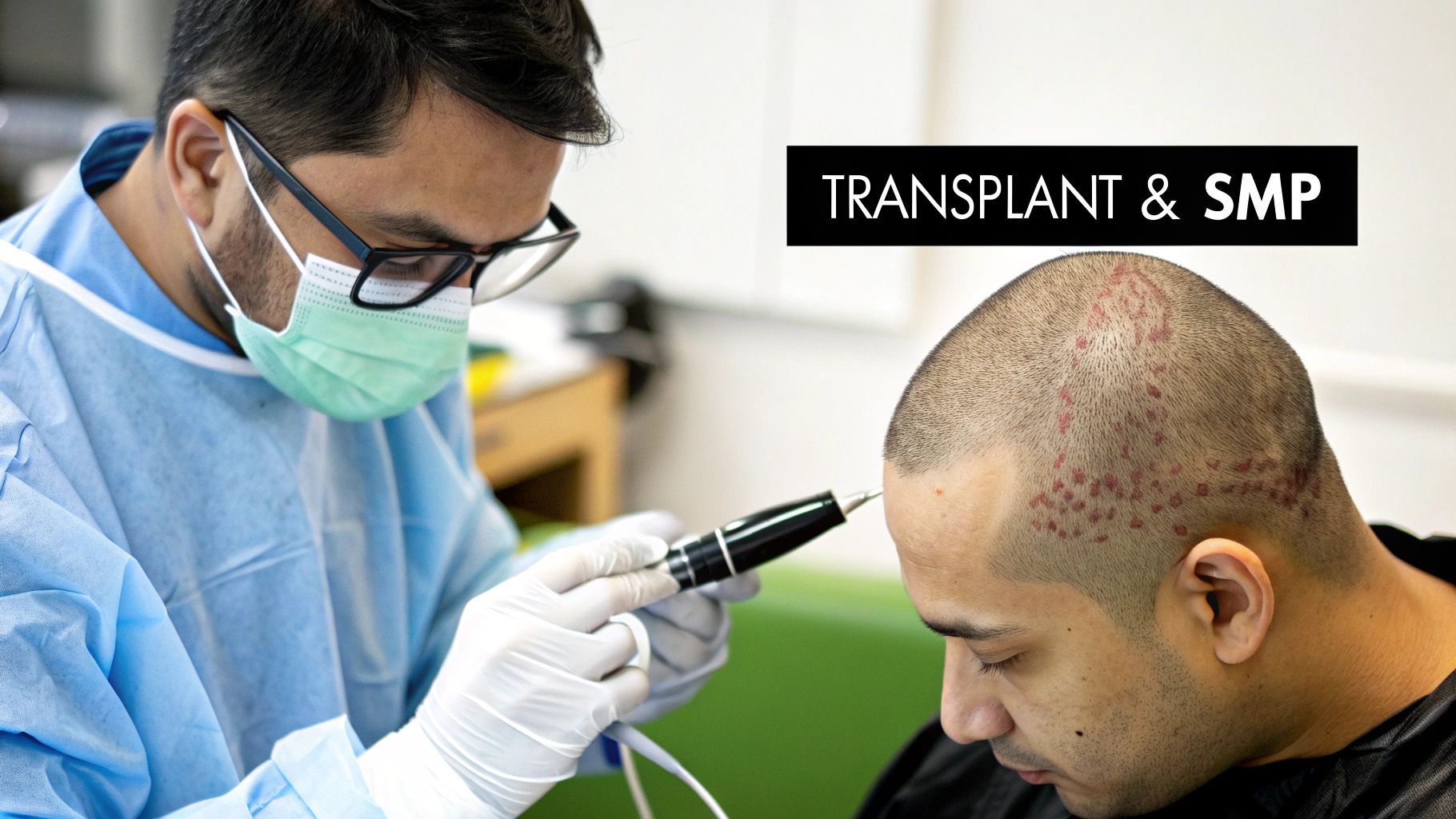
To really get why combining scalp micropigmentation with a hair transplant is such a game-changer, we first need to break down what each treatment does on its own. They are two very different approaches to tackling hair loss, which is exactly why they make such a powerful team.
Don't think of them as competing options, but as two specialists working together. One is the architect, meticulously building the new structure. The other is the artist, adding the crucial details that make the final result look completely natural.
Let's look at their unique roles.
Hair Transplants: The Architectural Solution
A hair transplant is all about physically moving hair. It’s a surgical procedure and the only method that can put real, growing hair strands back into areas where they’ve been lost. The surgeon essentially acts like a skilled gardener, carefully taking healthy hair follicles from a dense area and planting them where they’re needed most.
The two main techniques you'll come across are FUE and FUT. They differ in how the hair is collected from the donor area, but the end goal is identical.
- Follicular Unit Extraction (FUE): This is the more modern approach, where individual hair follicles are taken one by one from the back and sides of the head. It's precise, minimally invasive, and doesn't leave a linear scar.
- Follicular Unit Transplantation (FUT): Also known as the "strip method," this involves removing a small strip of hair-bearing skin. Technicians then carefully separate the individual follicles from this strip before they're implanted.
Both methods are about rebuilding the physical foundation of your hair. They restore a genuine hairline, add real texture, and give you the ability to grow your hair out. This is the architectural work. For a more detailed look at the surgery, our guide "What is a FUE Hair Transplant?" is a great resource.
But here’s the thing: even the most successful transplant has limitations. Your donor hair is a finite resource, so a surgeon can only create so much density. This can sometimes leave the scalp visible between the transplanted hairs, which is where the artist steps in.
Scalp Micropigmentation: The Artistic Touch
Scalp Micropigmentation (SMP) is a sophisticated, non-surgical cosmetic procedure. It works entirely on a visual level. Instead of moving hair, an SMP artist creates the illusion of density.
Think of SMP like artistic stippling for your scalp. A trained specialist uses micro-needles to apply thousands of tiny pigment dots, each one layered and shaded to perfectly replicate a natural, buzzed hair follicle.
This process masterfully complements a hair transplant in two ways. First, it adds a "shadow" to the scalp, which darkens the skin and drastically reduces the contrast between your hair and your scalp. That bright, shiny look? Gone.
Secondly, these layered dots fill in all the tiny gaps between your existing and newly transplanted hairs. The result is an instant look of much greater fullness, making the hair you have appear significantly thicker. SMP is the finishing touch—the artistic detail that adds depth and shadow, creating a powerful illusion of density that surgery alone often can't achieve.
Here is the rewritten section, designed to sound completely human-written and natural.
How Combining Treatments Delivers Superior Results
Pairing scalp micropigmentation with a hair transplant isn't just about doing two procedures; it's about creating a result that’s far greater than the sum of its parts. Think of it as a strategic partnership where one treatment picks up where the other leaves off, working in synergy to create an incredibly natural-looking head of hair. It’s a game-changer for achieving maximum visual impact.
The biggest win here is the powerful ‘density effect’. A hair transplant gives you real, textured hair, which is fantastic. But surgeons can only work with the donor hair you have, and this limitation often means there will still be small, visible gaps of scalp between the newly transplanted grafts. This is where SMP steps in and works its magic.
An experienced SMP artist applies thousands of tiny pigment dots to your scalp, meticulously matching them to your hair colour. This process darkens the skin underneath, dramatically reducing the high-contrast look between hair and scalp that makes thinning so obvious. Suddenly, your existing and transplanted hair appears exponentially thicker and fuller.
Camouflaging Scars for a Seamless Finish
Another huge advantage of combining treatments is SMP’s incredible ability to camouflage surgical scars. This is especially important for anyone who has had an older Follicular Unit Transplantation (FUT) or ‘strip’ surgery, which almost always leaves a linear scar across the back of the head.
Let's be honest, those scars can be a real source of frustration. They can dictate how you cut your hair and act as a constant reminder of the procedure.
SMP is the perfect solution. The artist skilfully deposits pigment into the scar tissue itself, breaking up its solid appearance and blending it seamlessly with the surrounding hair. The scar becomes virtually invisible, even if you wear your hair short.
This gives you back your freedom. You can finally get the haircut you actually want without ever worrying about a scar showing. To get a better sense of how this works, we've gone into more detail on hair implant scar camouflage here.
Preserving Precious Donor Hair
Here’s something many people don’t realise: combining scalp micropigmentation with a hair transplant allows for a much smarter, more conservative surgical plan. Your donor hair is a finite resource—once it's gone, it's gone. Preserving it is crucial for long-term success, especially if your hair loss continues down the track.
When SMP is part of the overall strategy, a surgeon doesn't need to use as many grafts to create the illusion of fullness. They can focus their efforts on what matters most—crafting a soft, natural hairline and establishing a solid foundation of coverage—knowing SMP will fill in the blanks to create that look of density.
This intelligent approach brings some major benefits:
- Conserves Donor Hair: You keep more healthy follicles in reserve for any potential future touch-ups or procedures.
- Reduces Surgical Scope: A less intensive transplant usually means a shorter time in the chair and a quicker recovery.
- Achieves a Full Look: You get the appearance of a full head of hair without having to max out your donor supply on the first go.
It’s this one-two punch of real texture from the transplant and underlying fullness from SMP that makes the final outcome so convincing. You're tackling hair loss from every angle.
The industry has certainly taken notice. SMP is a rapidly growing segment of Australia’s micropigmentation market, largely because it works so well alongside traditional hair restoration. As noted in recent market insights on growthmarketreports.com, it offers a powerful, semi-surgical way to perfect your final look. By playing to the strengths of both procedures, you achieve a level of density and naturalness that neither one could ever deliver on its own.
The Ideal Timeline for Your Treatments
When you’re combining a hair transplant with scalp micropigmentation, getting the timing right isn't just a suggestion—it’s everything. Nailing the sequence is critical for protecting the new hair grafts, making sure your scalp is safe, and ultimately, getting the incredible result you’re after.
You’ve got two main pathways to choose from. The best one for you really boils down to your specific situation and what you want to achieve. Most people—and most experts—will tell you to get your SMP after your hair transplant has had a proper chance to heal. But there are definitely times when doing SMP before the surgery is the smarter move.
Let’s unpack both options so you can see a clear road ahead.
Pathway 1: SMP After Your Hair Transplant
This is the tried-and-true method, the gold standard for blending these two treatments. By waiting until after your transplant, the surgeon’s work sets the stage. The SMP artist then comes in to add the perfect finishing touches, enhancing the density and final look with real precision.
The key word here is patience. A hair transplant, while minor, is still a surgical procedure. Your scalp and the new follicles need plenty of time to heal and get settled. Rushing this can seriously compromise your investment.
The Post-Transplant Timeline
- Immediate Recovery (Weeks 1-4): This is all about healing. Expect some redness, swelling, and scabs where the work was done. Following your surgeon's aftercare instructions to the letter is non-negotiable.
- The "Shedding" Phase (Months 1-3): Don't panic when you see the newly transplanted hairs fall out. This is a totally normal and expected part of the process, clearing the way for new, strong hair to grow.
- New Growth Kicks In (Months 3-6): You’ll start noticing the first signs of new sprouts. They’ll be fine and thin at first but will gradually thicken up over the next few months.
- Maturation and Full Healing (Months 6-12): This is the most important waiting game. Your hair continues to grow and mature, and all the underlying tissue in your scalp fully heals. Reputable SMP artists won’t even touch your scalp until at least 6 months post-op, and many prefer to wait the full 12 months to ensure the best possible canvas.
This simple diagram breaks down the most common and recommended sequence.
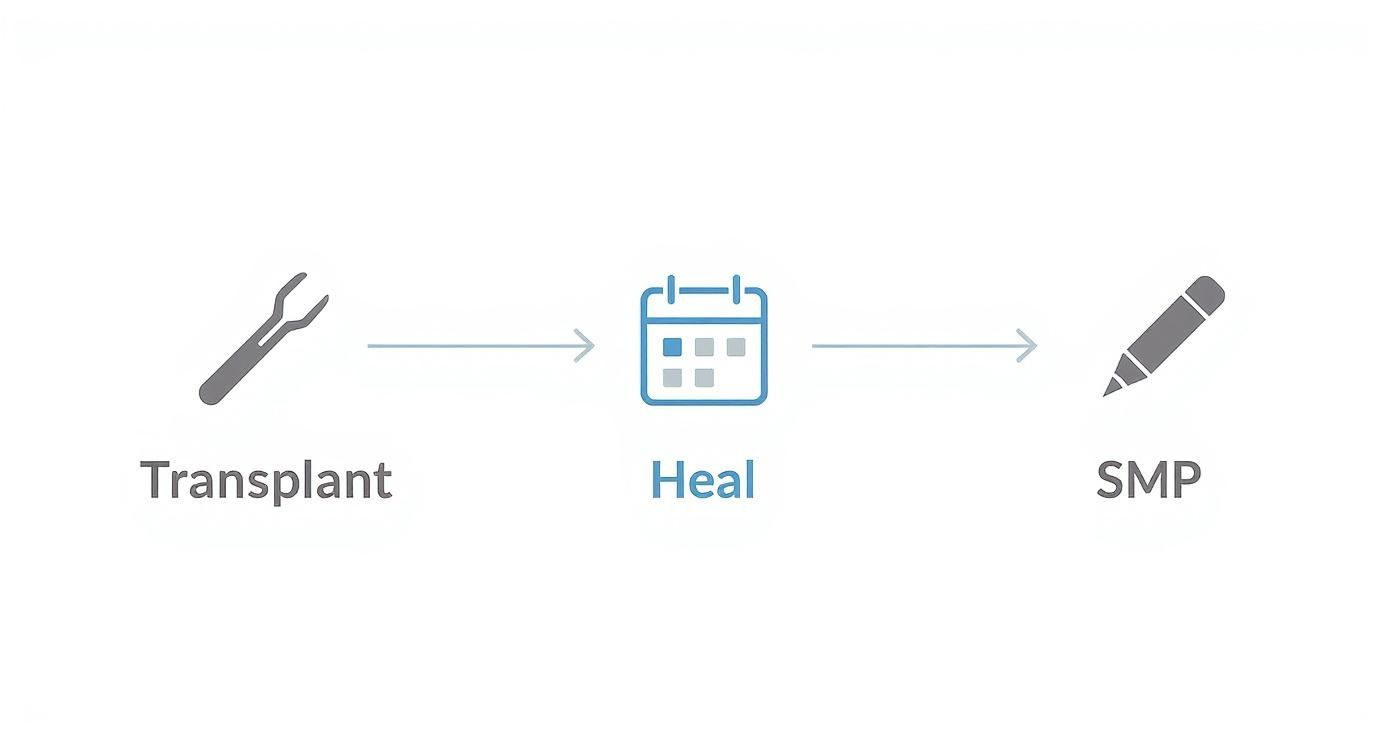
As you can see, giving yourself that solid healing window between the transplant and the SMP is absolutely fundamental.
Once you’ve passed that 6- to 12-month mark, your SMP artist knows exactly what they’re working with. They can see where the new hair has settled, assess the final density, and intelligently apply pigment to fill any remaining thin spots, creating that flawless illusion of thickness.
For a deeper dive into this stage, our detailed guide on the hair transplant recovery process is a fantastic resource.
Pathway 2: SMP Before Your Hair Transplant
It’s less common, but getting SMP before a hair transplant can be a brilliant strategy for some people. It’s a proactive move that gives you an immediate cosmetic boost while you get ready for the main event.
This approach is fantastic for anyone who wants an instant improvement. SMP can create the look of a sharp, buzzed haircut or add the appearance of density to thinning hair, giving you a huge confidence boost while you save up for or wait for your surgery date.
So, who is the "SMP first" approach best for?
- Anyone facing a long wait for surgery. It provides an immediate aesthetic fix.
- Those with more advanced hair loss. SMP creates a foundational "shadow" that makes a future, less dense transplant appear much fuller.
- People wanting to disguise thinning now. It’s a great non-surgical way to improve your look while you figure out your long-term plan.
If you go this route, you’ll need to wait for your SMP to be fully complete and healed (usually just a few weeks) before going in for a transplant. The surgeon will then work with the existing SMP, carefully placing hair grafts to add real texture and dimension over the pigmented base.
SMP and Hair Transplant Timeline Options
To help you decide, here’s a quick comparison of the two approaches.
| Approach | Ideal Candidate | Pros | Cons & Considerations |
|---|---|---|---|
| SMP After Transplant | The majority of clients, especially those wanting the most natural and precise result. | Your artist works on a "finished canvas," seeing exactly where transplanted hair grew in. It allows for perfect blending and gap-filling. | Requires significant patience—a waiting period of 6-12 months after surgery is essential before starting SMP. |
| SMP Before Transplant | Individuals with extensive hair loss, those facing a long wait for surgery, or someone wanting an immediate confidence boost. | Provides an instant cosmetic improvement. Creates a "shadow" base that makes a future transplant look much denser. | The surgeon has to work around existing pigment. The final SMP may need a touch-up session after the transplant heals to perfect the blend. |
Ultimately, both pathways lead to a fantastic result. The right choice is less about which is "better" and more about which one aligns with your immediate needs, your long-term goals, and your personal circumstances. A good consultation will help you map out the perfect plan.
Finding the Right Experts for Each Procedure

Getting a truly natural, seamless result from your scalp micropigmentation with a hair transplant comes down to one thing: the people doing the work. The entire success of this amazing combination hinges on the skills of two very different specialists—a hair transplant surgeon and an SMP artist.
It's a huge mistake to assume one person can be a master of both. Think of the hair transplant surgeon as the architect. They're a medical doctor who understands the science of hair, follicular anatomy, and the surgical precision needed to build the main structure with real, growing hair.
The SMP artist, on the other hand, is the finisher. They’re a cosmetic specialist who lives and breathes colour theory, layering, and the artistry of illusion. Their job is to add the fine details, the subtle shading that creates the impression of fullness and density. These are two completely distinct, highly specialised skill sets.
Choosing separate, dedicated experts for each procedure is the single most important decision you will make. It ensures you get a master of surgery for the transplant and a master of artistry for the SMP, leading to a cohesive and world-class outcome.
Vetting Your Hair Transplant Surgeon
When you’re looking for a surgeon, you’re hiring a medical professional. Their credentials and track record are everything.
- Credentials: First things first, confirm they are a licensed medical doctor with specific training and accreditation in hair restoration surgery.
- Specialisation: You want a surgeon who focuses only on hair transplants. Avoid general cosmetic surgeons who just dabble in it.
- Portfolio: A picture is worth a thousand words. Look for extensive before-and-after galleries that show clean hairlines, barely-there scarring, and natural density from their FUE or FUT procedures.
Selecting Your SMP Artist
Finding the right SMP artist requires a different approach. Here, you're looking for technical finesse and a great artistic eye.
- Dedicated Focus: The best results always come from artists who only do scalp micropigmentation. It’s a craft that requires daily practice to perfect.
- Combined Results Portfolio: This is crucial—ask to see examples of their work specifically on post-transplant clients. This proves they know how to expertly blend pigment with real hair.
- Patient Reviews: Dig into genuine, detailed testimonials. What are people saying about the artist’s precision, their professionalism, and how natural the final result looks? A quick search for "scalp micropigmentation near me" is a great starting point to find local providers and see what past clients are saying.
When you're doing your homework on different providers, it can be helpful to see how the best clinics make themselves visible online, which is covered well in this comprehensive guide to Healthcare SEO. The demand for these treatments is soaring; the global micropigmentation market is growing fast, and Australia is part of the fastest-growing Asia Pacific region with a projected annual growth of about 10.6%. With this much growth, it’s more important than ever to choose a proven expert to get the best possible return on your investment.
Your Questions Answered: Combining SMP and Hair Transplants
It makes perfect sense to have a few questions when you're thinking about investing in your appearance. Combining scalp micropigmentation with a hair transplant is a big step, and knowing exactly what’s involved is the best way to feel confident about your decision.
Let's dive into some of the most common questions we get from our clients right here in Australia. We'll give you straight-up answers to clear up any final doubts, from how much it costs to what it feels like and how long it all lasts.
What’s the Typical Cost for This Combination in Australia?
This is usually the first thing people want to know, and the truth is, there's no one-size-fits-all price. You’re essentially investing in two distinct, highly skilled procedures, so the final cost really comes down to what you personally need.
The hair transplant is the bigger part of the investment, generally running anywhere from $5,000 to over $20,000. The final figure is driven by how many hair grafts are needed to give you the coverage you’re after. On the other hand, scalp micropigmentation usually costs between $1,500 and $4,000. This depends entirely on the size of the area we're working on – whether it's camouflaging a small scar, filling in the crown, or adding density across the whole scalp.
It’s crucial to get separate, detailed quotes for each procedure. And while it's a significant outlay, my best advice is to always prioritise the skill and experience of your surgeon and SMP artist. Quality results are worth so much more than the cheapest deal you can find.
Does Combining SMP and a Hair Transplant Hurt?
Worries about pain are completely normal, but you can rest easy knowing that both procedures are managed to keep you as comfortable as possible.
A hair transplant is a minor surgical procedure, and it’s done using a local anaesthetic. This means your scalp will be totally numb while the surgeon is extracting and implanting the grafts. You won't feel any pain during the actual procedure, though it's normal to have some tenderness, tightness, and a bit of soreness for a few days afterwards as you heal.
Most people compare the sensation of scalp micropigmentation to getting a regular tattoo, but it's generally considered much less intense. The needles we use are far smaller and don't go as deep into the skin. On top of that, a strong topical numbing cream is applied to your scalp before we start and throughout the session to dull any sensation. The majority of clients just describe it as a light vibration or a minor pricking feeling.
The bottom line is that any potential pain is managed very effectively for both treatments. Post-procedure discomfort is temporary and easily handled with standard over-the-counter pain relief, as advised by your specialist.
How Long Will the Results Last?
This is where the combination really shines. You get the immediate cosmetic boost from SMP while locking in the permanent, natural growth from your transplant.
The results from your hair transplant are permanent. The reason for this is that the transplanted follicles are harvested from the back and sides of your head—an area that is genetically programmed to resist the DHT hormone that causes male pattern baldness. Once these follicles settle into their new home, they’ll continue to grow hair for the rest of your life.
SMP results are incredibly long-lasting, though not technically permanent – and that’s a good thing! The specialised pigment will naturally soften and lighten over 3-6 years because of things like sun exposure and your skin's own renewal cycle. This is actually a benefit, as it lets you make small tweaks over time if your hair colour or style preferences change. Most guys just pop in for a quick touch-up session every few years to bring back that original depth and definition.
Could SMP Damage My New Transplanted Hair?
This is a really important question, and I can give you a clear answer: no, it won’t. But there’s a crucial condition: it has to be performed by a skilled artist who follows the proper timeline.
As long as we wait until your scalp has fully healed from the surgery (which is a minimum of 6-12 months), SMP poses zero risk to your transplanted hair follicles. The pigment is placed in the upper layer of your skin, the dermis. Your hair follicles, both the new ones and your original ones, sit much deeper. A properly trained SMP artist knows exactly how deep to go to create the look of density without ever disturbing the hair follicles below. Sticking to that healing schedule is the single most important factor for protecting your hair transplant investment.
At My Transformation, our expertise lies in creating that seamless, natural-looking density that elevates the results of a hair transplant. If you’re ready to see what this powerful combination could do for you, let's chat. Book a free consultation with us today.